Server Connectivity: Integrating WeChat and DingTalk with Translation Services
In today's digital landscape, seamless connectivity between various communication platforms is essential for enhancing operational efficiency and user experience. This article explores how servers can be integrated with WeChat and DingTalk, two of the most popular messaging and collaboration tools in China, while incorporating translation services to bridge language barriers.
WeChat, developed by Tencent, is widely used for personal and business communication, offering features like instant messaging, payments, and mini-programs. DingTalk, created by Alibaba, is a professional workplace platform focused on team collaboration, task management, and video conferencing. By connecting servers to these platforms, organizations can automate workflows, send notifications, and synchronize data in real-time. For instance, a server might trigger alerts on WeChat or DingTalk when specific events occur, such as system errors or completed transactions.
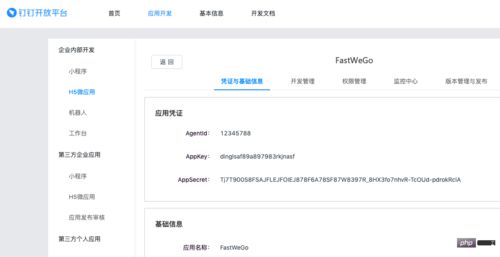
To integrate servers with WeChat and DingTalk, developers typically use APIs (Application Programming Interfaces) provided by these platforms. For WeChat, this involves setting up a public account or enterprise account and configuring server callbacks to handle messages. DingTalk offers similar APIs for bots and custom integrations, allowing servers to post messages or interact with users. The process requires secure authentication, such as using tokens or OAuth, to ensure data privacy and prevent unauthorized access.
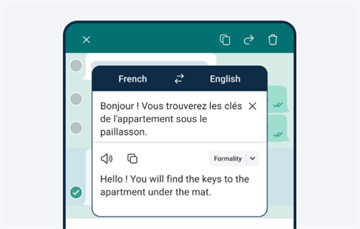
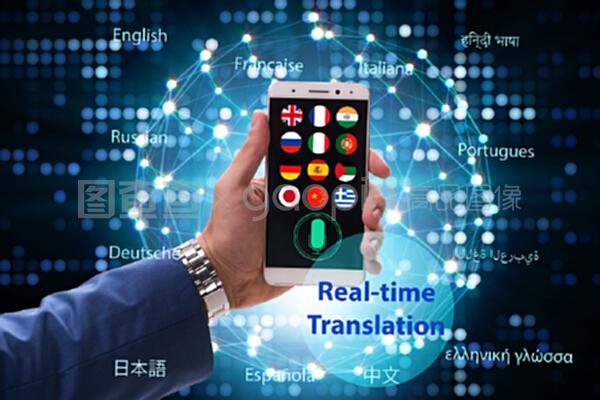
Adding translation services to this setup further expands its utility, especially for global teams or multilingual users. Translation APIs, like those from Google Cloud, Microsoft Azure, or Baidu Translate, can be integrated into the server to automatically translate messages between WeChat and DingTalk. For example, a message sent in Chinese on WeChat could be translated to English before being forwarded to DingTalk, or vice versa. This enables cross-platform communication without language constraints, fostering collaboration across diverse regions.
In practice, the integration involves a server acting as a middleware that receives data from one platform, processes it (including translation if needed), and sends it to the other. This can be implemented using programming languages like Python, Node.js, or Java, along with cloud services for scalability. Challenges may include handling rate limits from APIs, managing error logs, and ensuring low latency for real-time translations. However, with proper design, the system can significantly improve communication efficiency.
Overall, connecting servers to WeChat and DingTalk with translation services creates a powerful ecosystem for businesses. It streamlines operations, breaks down language barriers, and enhances connectivity in an increasingly digital world. As technology evolves, such integrations will likely become more sophisticated, offering even greater benefits for users worldwide.
如若轉(zhuǎn)載,請(qǐng)注明出處:http://www.damaidichan.com/product/80.html
更新時(shí)間:2026-06-19 06:01:29